

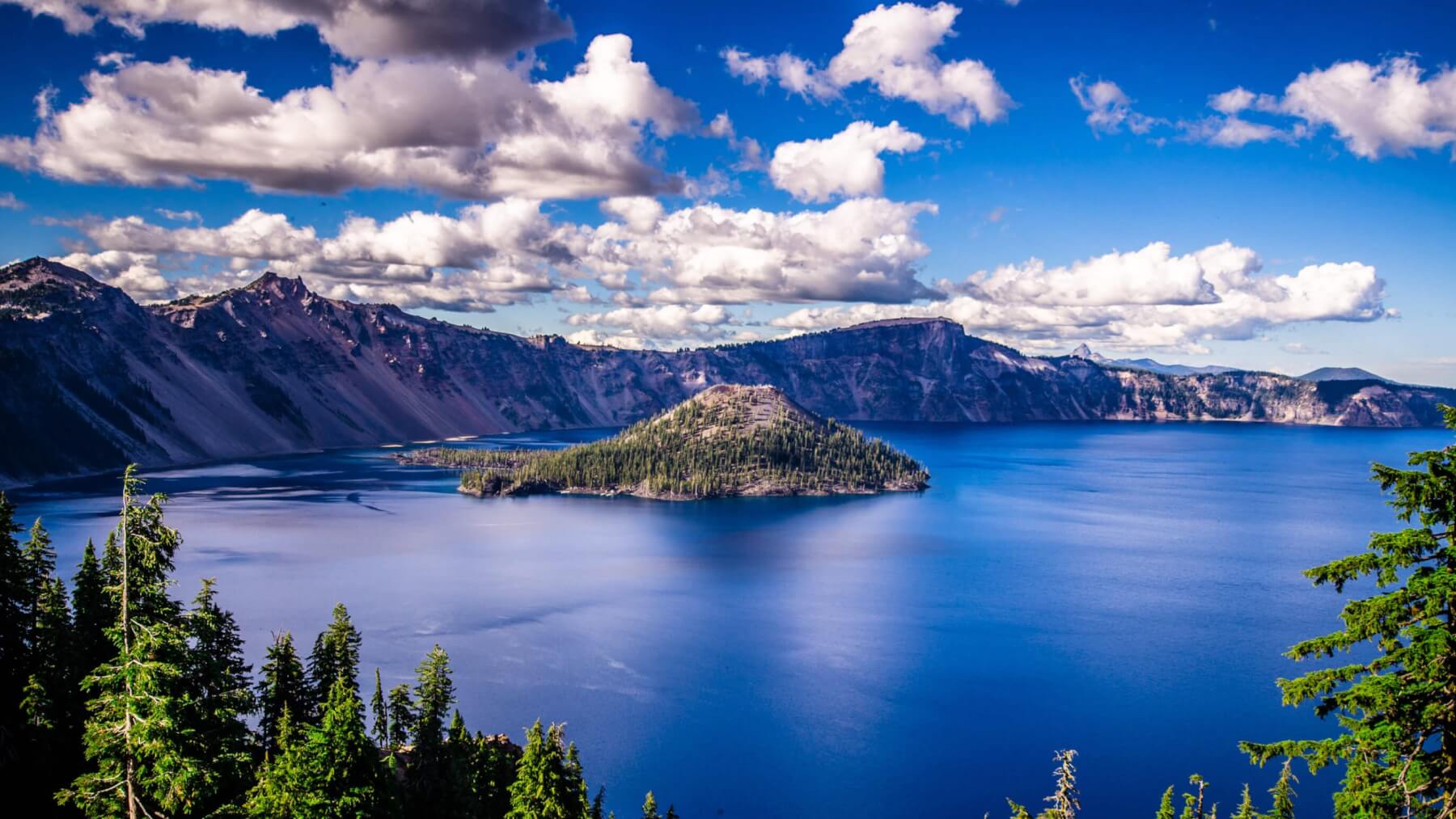
fascinating things you didn’t know about oregon’s deepest lake
From ancient volcanic eruptions to mysterious floating logs, discover what makes Crater Lake one of Oregon’s most extraordinary natural wonders.
With its impossibly blue waters, towering volcanic cliffs, and fascinating history, Crater Lake National Park is a destination unlike anywhere else in the world. Located in Southern Oregon’s Cascade Mountains, this natural wonder is filled with remarkable stories, geological mysteries, and surprising facts.
1. it’s the deepest lake in the united states
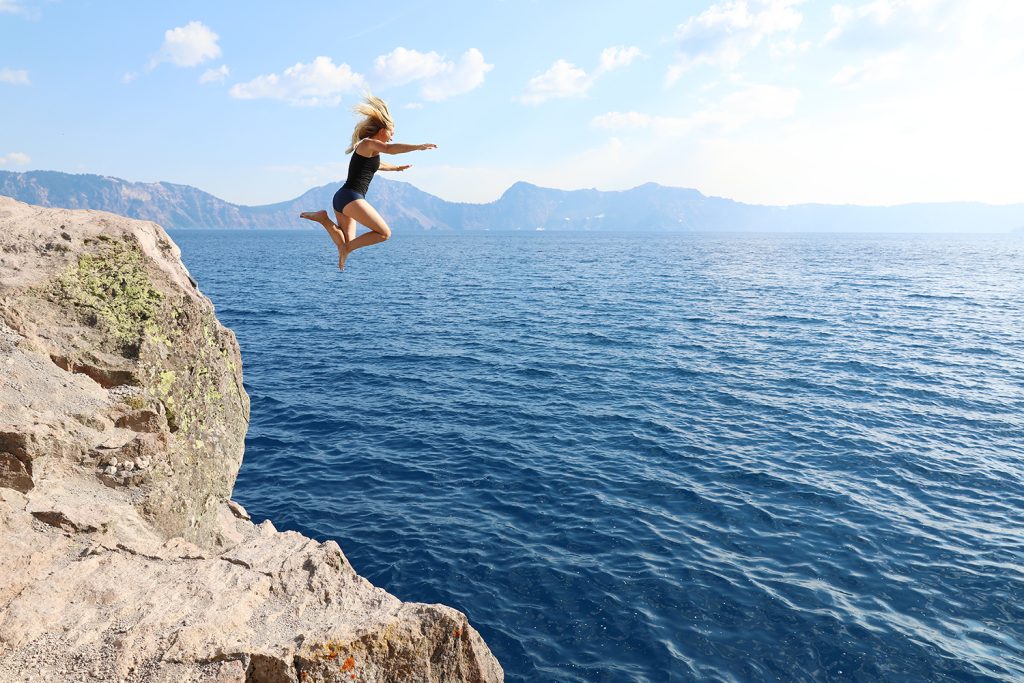
Plunging to a depth of 1,943 feet, Crater Lake holds the title of the deepest lake in the United States and the deepest volcanic lake in the world!
If the Eiffel Tower, Washington Monument, AND Statue of Liberty were stacked on top of each other and then lowered to the deepest part of Crater Lake, they still wouldn’t reach the surface.
It is also commonly ranked as the ninth-deepest lake on Earth, making it one of the world’s most impressive freshwater wonders.
2. It was formed by a massive volcanic eruption
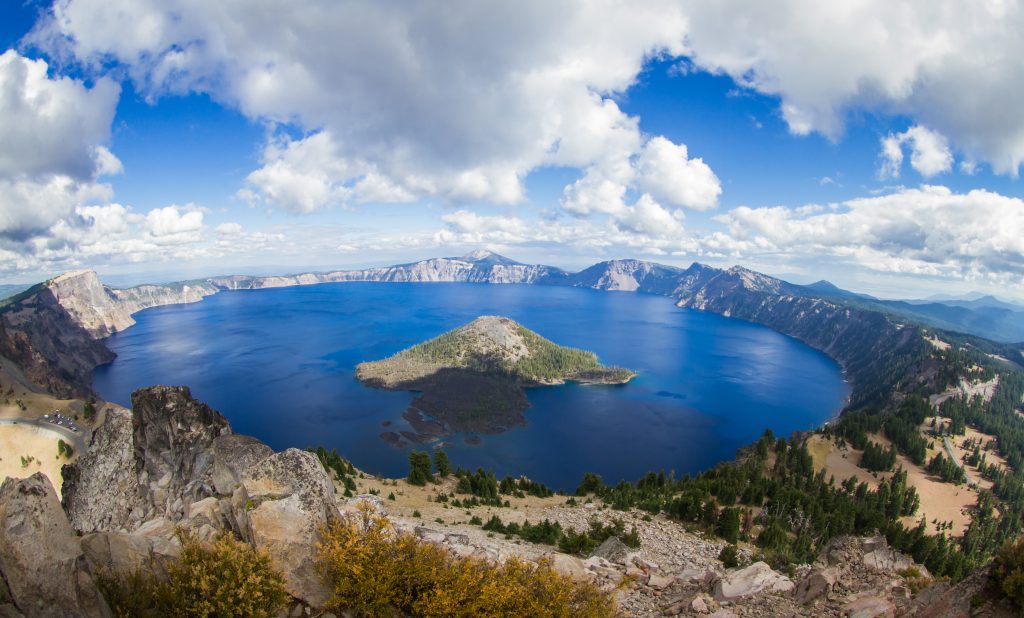
Crater Lake’s story began approximately 7,700 years ago, when Mount Mazama, a towering volcano estimated to have stood 12,000 feet tall, experienced a catastrophic eruption. The volcano’s summit collapsed inward, forming a massive basin known as a caldera. Over hundreds of years, rain and snow filled the basin, creating the breathtaking lake we know today.
3. Its water comes entirely from rain & snow
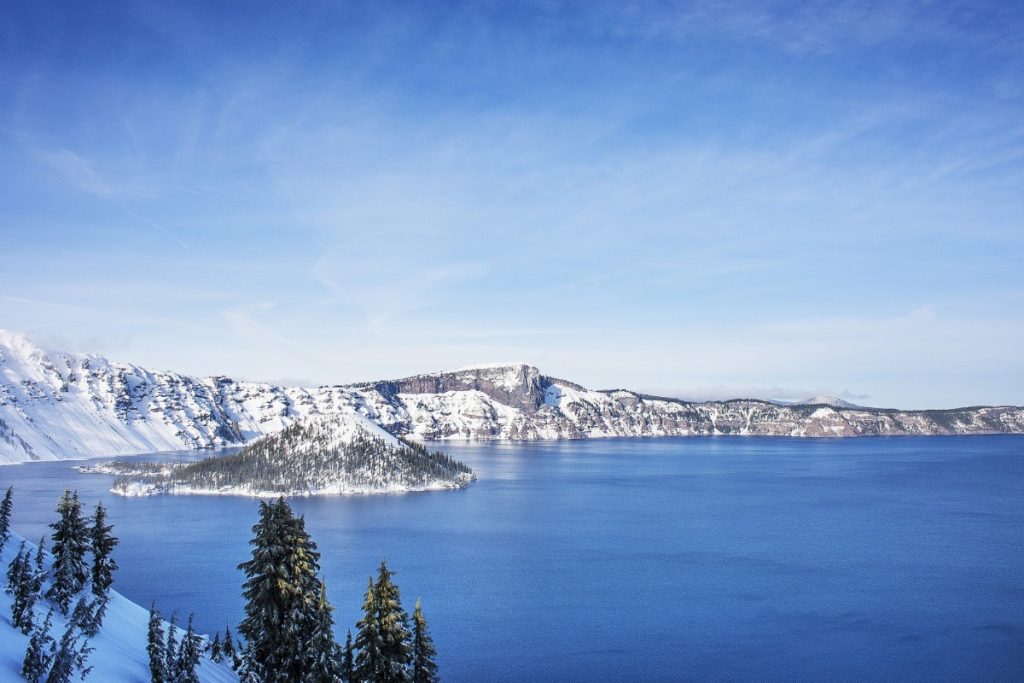
Unlike most lakes, Crater Lake has no rivers or streams flowing into it. Instead, its water comes entirely from precipitation, including rain, snow, and runoff from the surrounding caldera walls. With very little sediment entering the lake, its water is exceptionally pure and clear, contributing to its famous deep-blue color.
4. It rarely freezes over
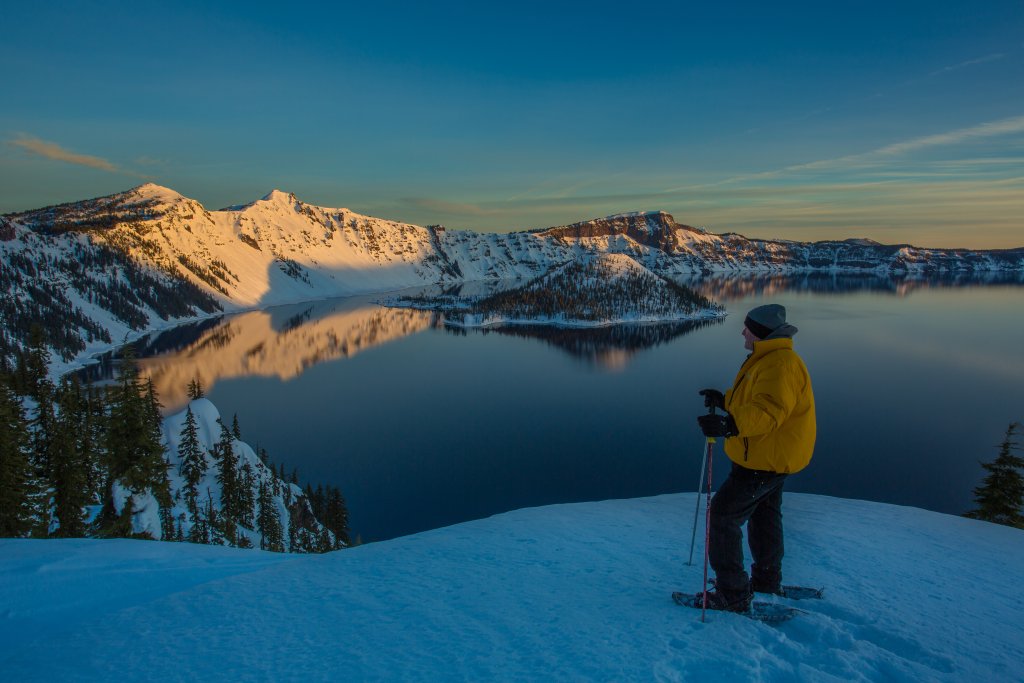
Despite sitting at an elevation of more than 6,000 feet and experiencing long, snowy winters, Crater Lake almost never freezes completely! Its enormous volume of water stores enough heat to resist freezing, even during frigid winter temperatures. In fact, the lake hasn’t frozen over completely since 1949.
5. It Receives an Incredible Amount of Snow
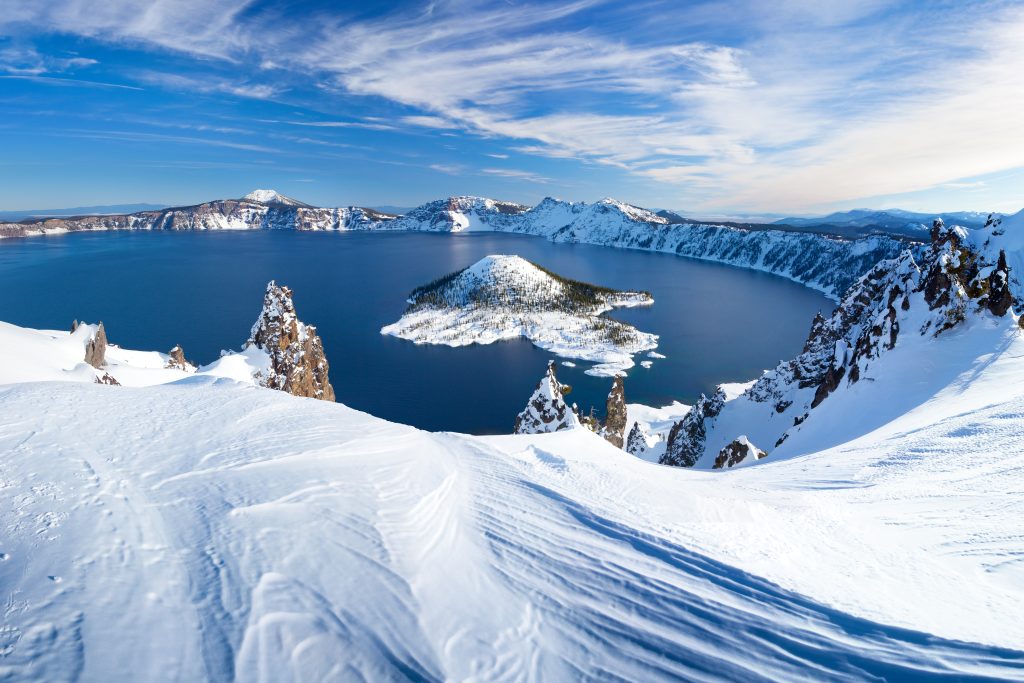
Crater Lake is one of the snowiest places in the Pacific Northwest, receiving an average of approximately 41 feet of snow each year. During the winter of 1932–1933, the park recorded an astonishing 73 feet of snowfall! This winter wonderland offers spectacular opportunities for snowshoeing, cross-country skiing, and snowy sightseeing.
6. The Old Man of the Lake
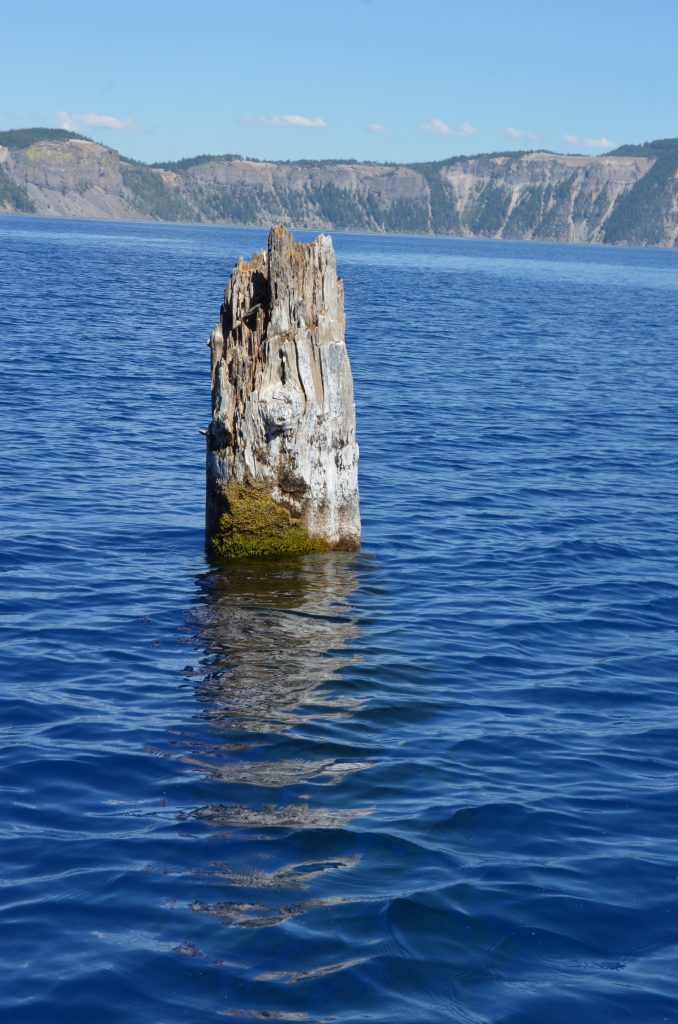
One of Crater Lake’s most unusual residents isn’t an animal at all. The Old Man of the Lake is a 30-foot-long mountain hemlock log that has been floating vertically in the lake for more than a century, with just a few feet sticking above the surface. First documented in 1896, the mysterious log drifts around the lake with the wind and currents. Its unusual upright position and unpredictable movements have inspired plenty of local legends.
7. Wizard Island is actually a volcano
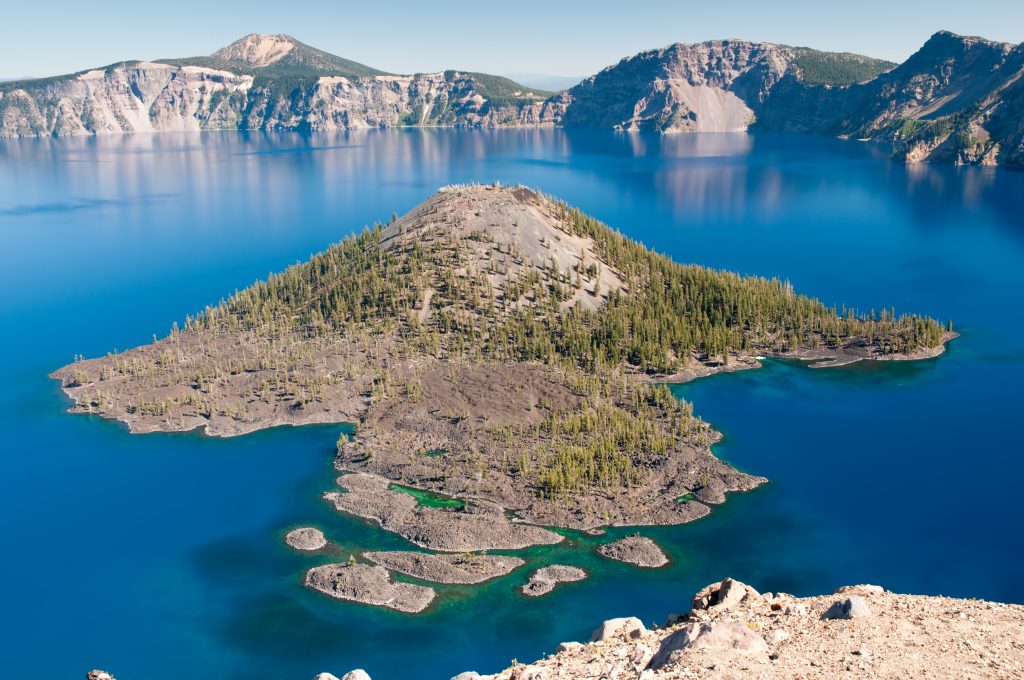
Rising approximately 760 feet above the lake’s surface, Wizard Island is one of Crater Lake’s most recognizable landmarks. But did you know it’s actually a volcanic cinder cone? Formed by eruptions after Mount Mazama’s collapse, Wizard Island even has its own summit crater, known as the Witches Cauldron.
8. The Phantom Ship
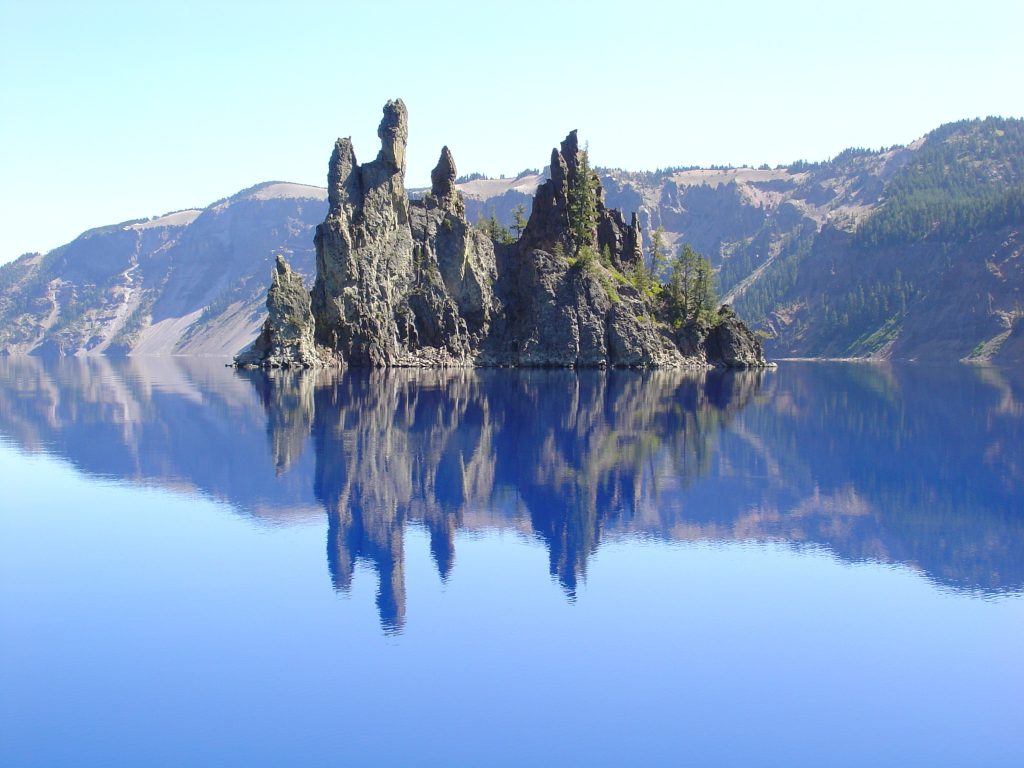
Another famous landmark is Phantom Ship, a small rocky island that resembles an old sailing ship rising from the water. Its jagged spires reach approximately 170 feet above the lake’s surface. Made of ancient volcanic rock, Phantom Ship is actually much older than Crater Lake itself!
9. Crater Lake Holds Deep Cultural Significance for Native Americans
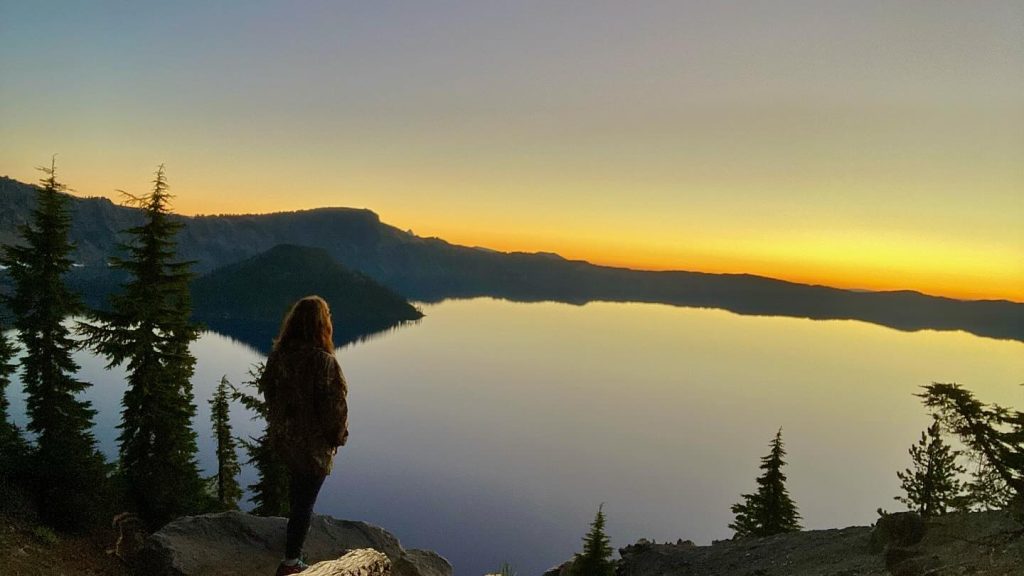
Long before Crater Lake became a national park, it was a sacred place for Indigenous peoples, particularly the Klamath Tribes. According to a traditional Klamath account, a great battle between Llao, the spirit of the Below World, and Skell, the spirit of the Above World, resulted in the destruction of Mount Mazama and the creation of Crater Lake.
The story has been passed down through generations and reflects the deep cultural and spiritual connection Indigenous peoples have maintained with this landscape for thousands of years.
10. Crater Lake Is Home to a Rare Newt
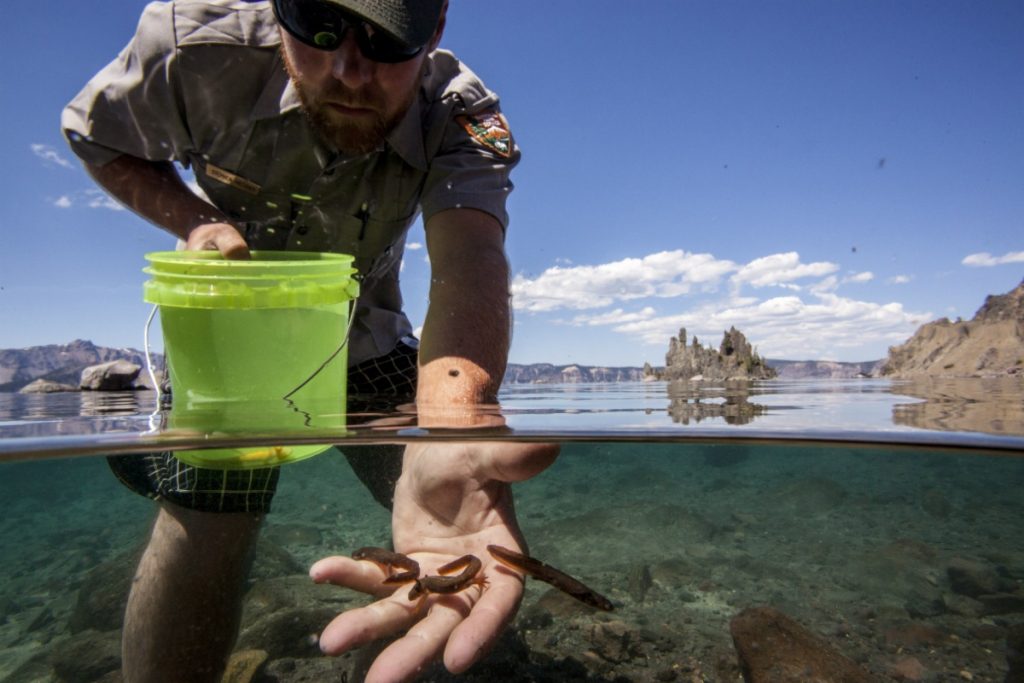
Meet one of Crater Lake’s most fascinating residents: the Crater Lake newt! This unique population of rough-skinned newts is found in the lake and has been studied as a potentially distinct subspecies. These small amphibians are one of the few native vertebrates living in Crater Lake, making them an important part of its unusual ecosystem.
11. It Was Known to Indigenous Peoples Long Before Its First Recorded European American Sighting
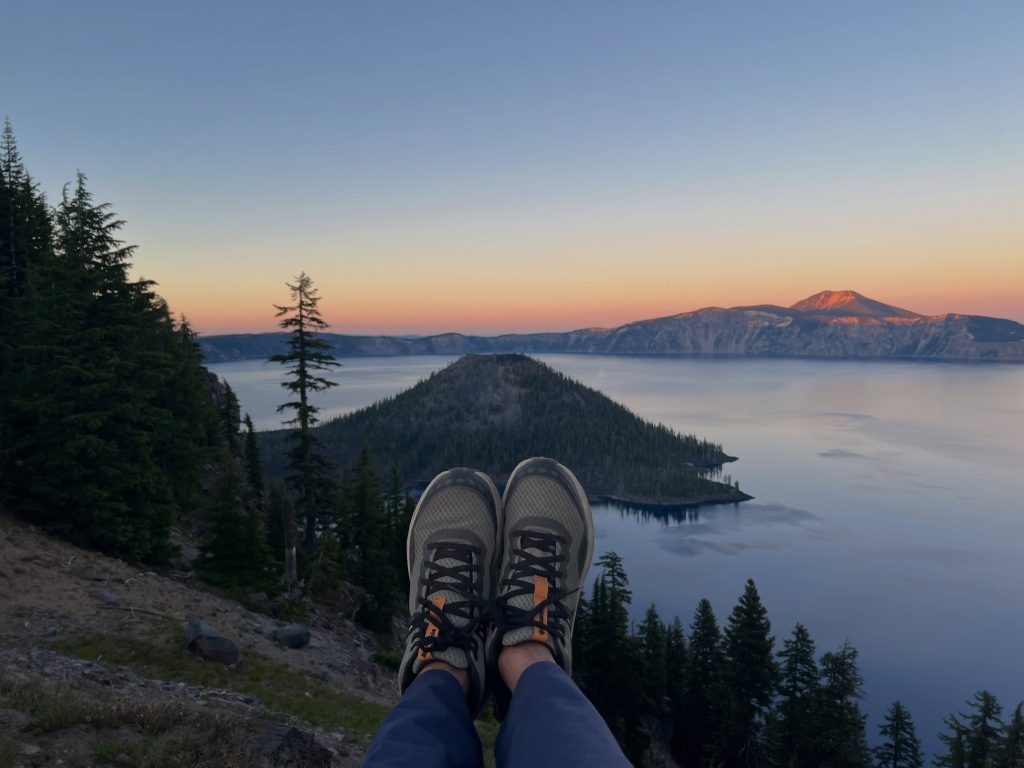
Although Indigenous peoples knew and revered Crater Lake for thousands of years, its first documented sighting by European Americans occurred in 1853, when a group of gold prospectors led by John Wesley Hillman encountered the lake. They initially called it “Deep Blue Lake,” a fitting name for its extraordinary color.
12. It became a national park in 1902
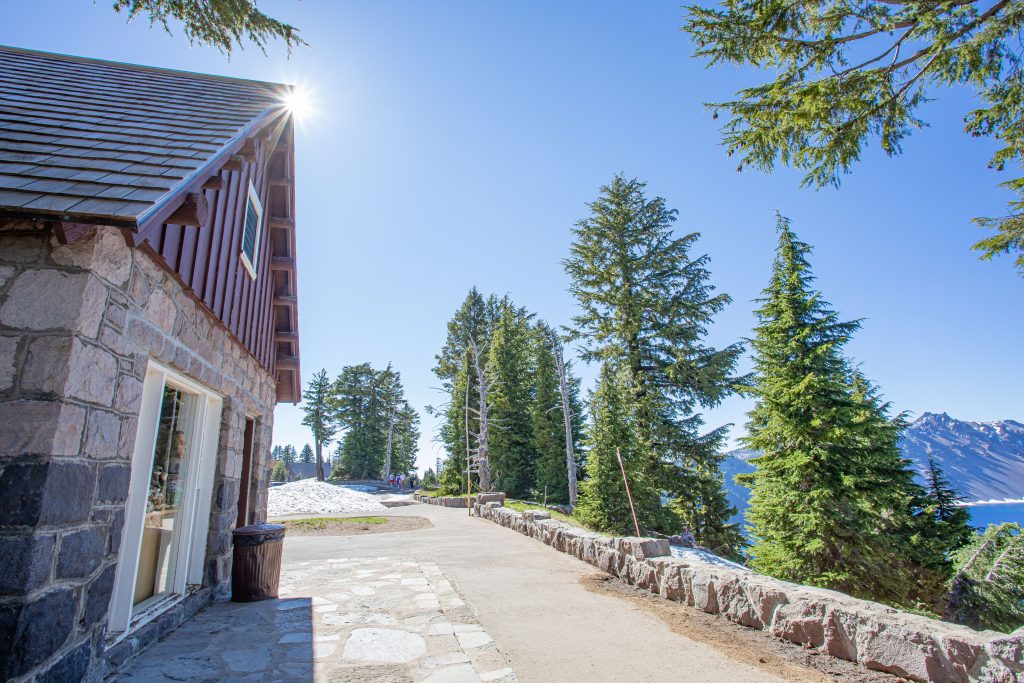
On May 22, 1902, Crater Lake became the fifth national park established in the United States. Its protection was championed by William Gladstone Steel, a man from Kansas who first read about Crater Lake in the newspaper. Fascinated by this amazing natural wonder, he vowed to visit the lake one day. He first visited Crater Lake in 1885, traveling by railroad and stagecoach before walking another 20 miles to finally view the incredible wonder.
Experience the Wonder of Crater Lake From Medford
Ready to see these natural wonders for yourself? Located approximately 80 miles from Medford, Crater Lake National Park makes an unforgettable day trip during any season.
From scenic overlooks and summer hiking trails to winter snowshoeing adventures, there’s always something extraordinary waiting to be discovered. Make Medford your home base for exploring Crater Lake and the incredible natural beauty of Southern Oregon.
Stay in Medford. Explore the extraordinary. Make memories that last a lifetime.